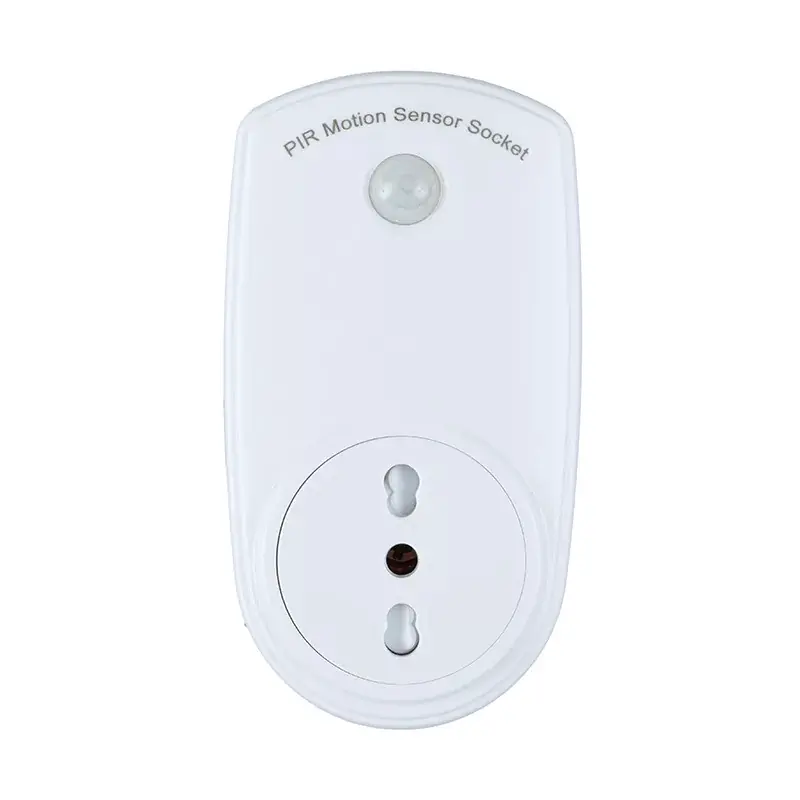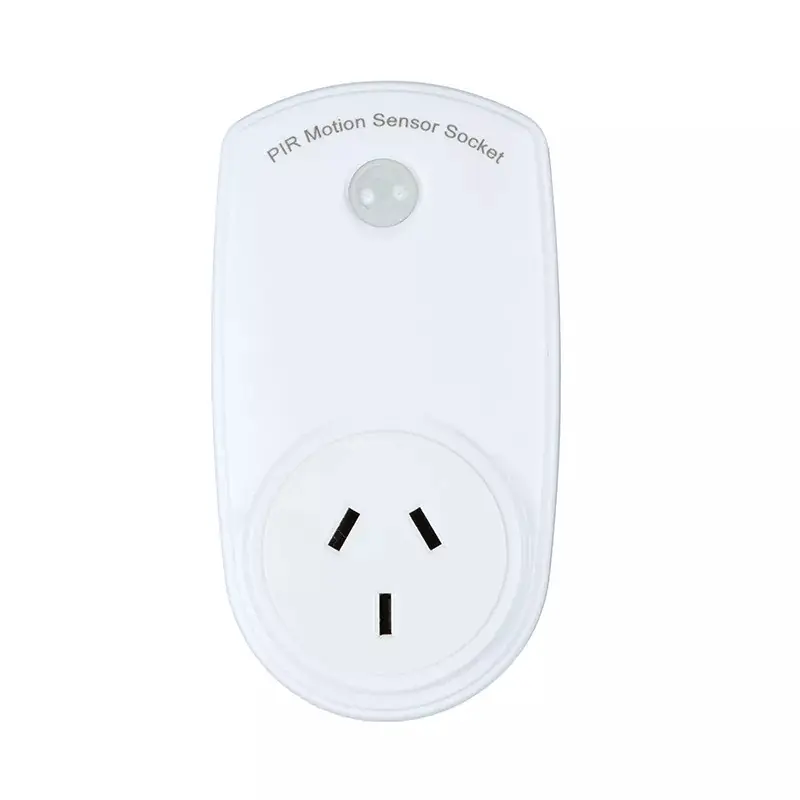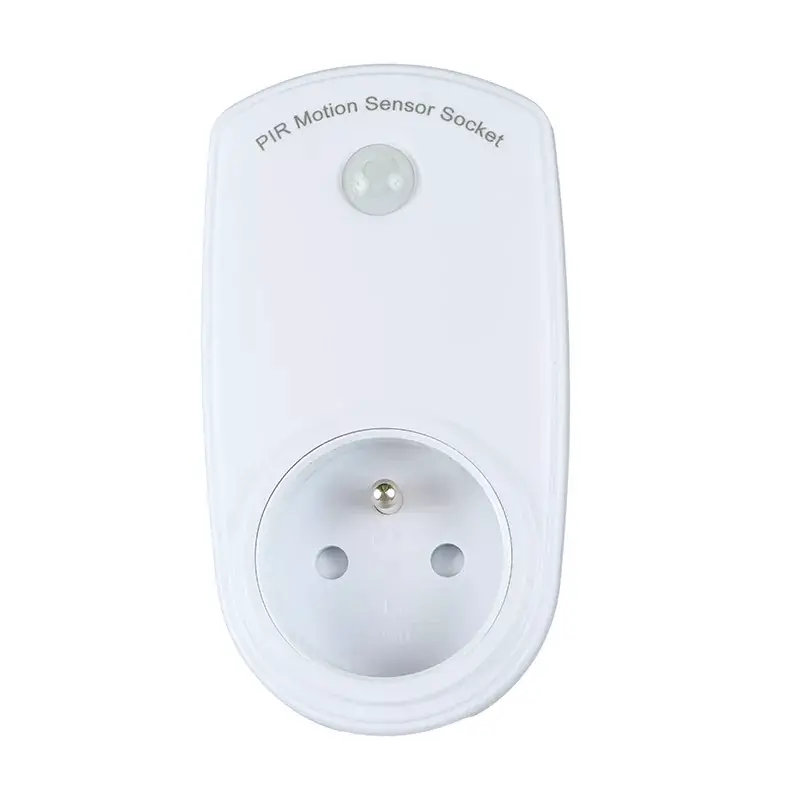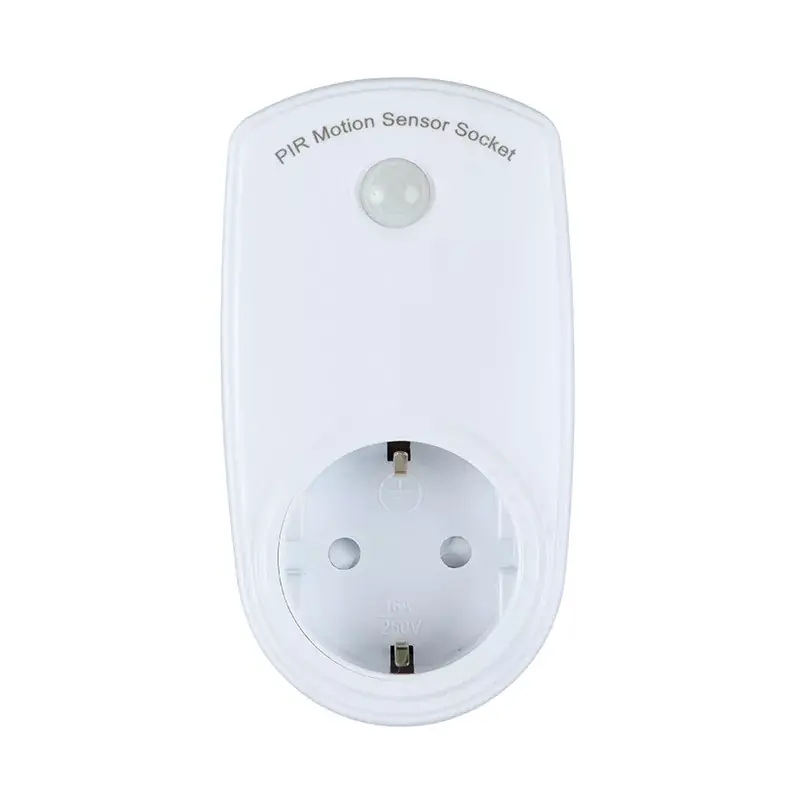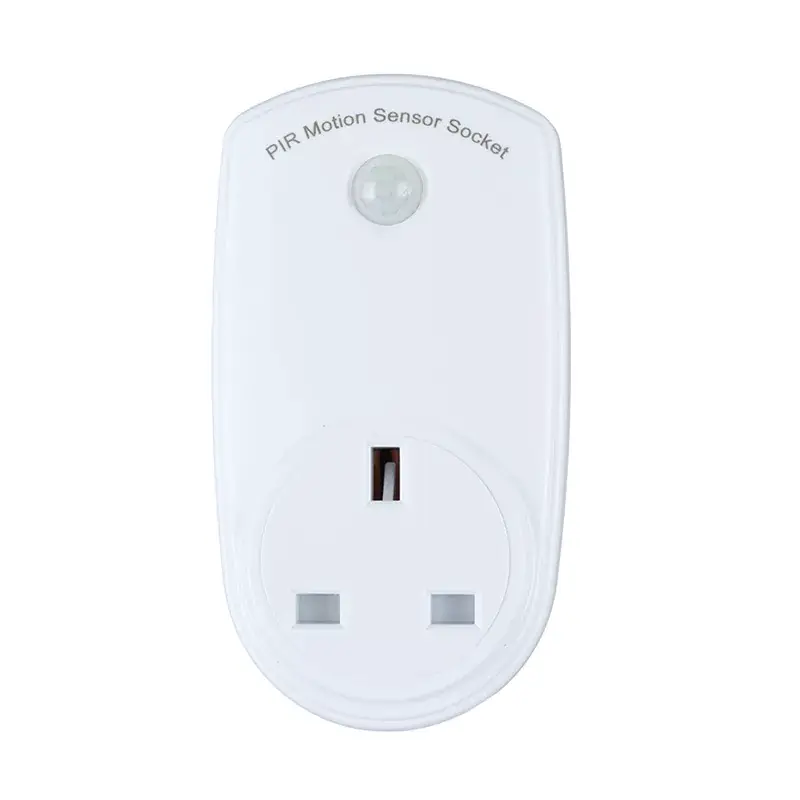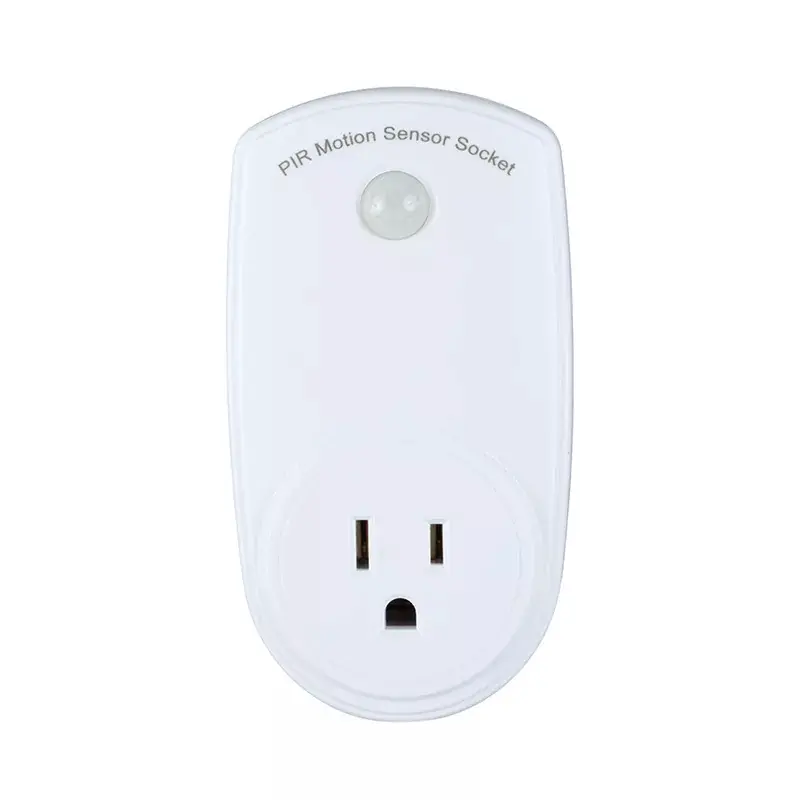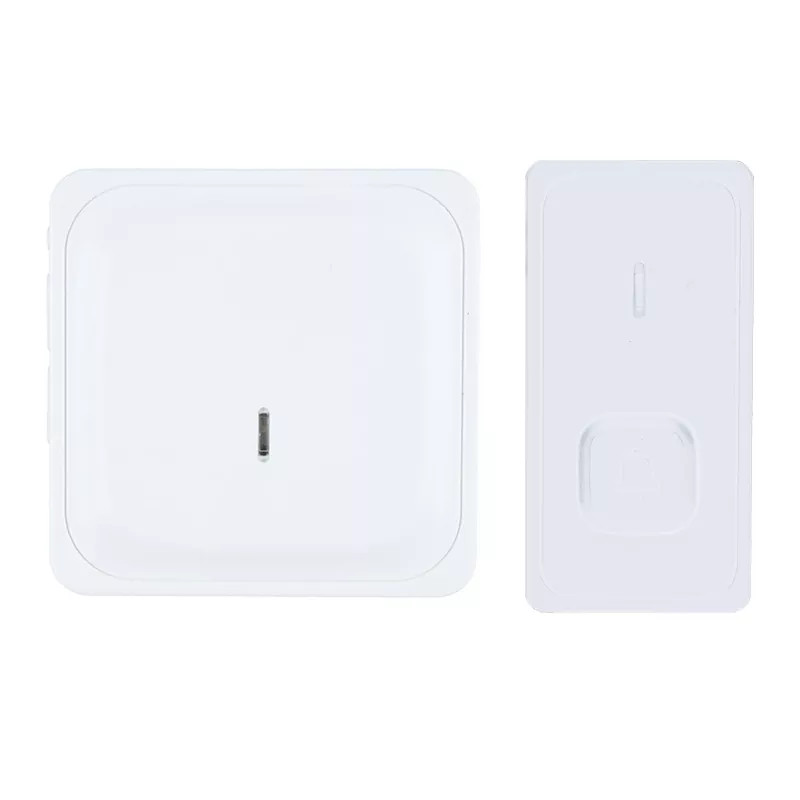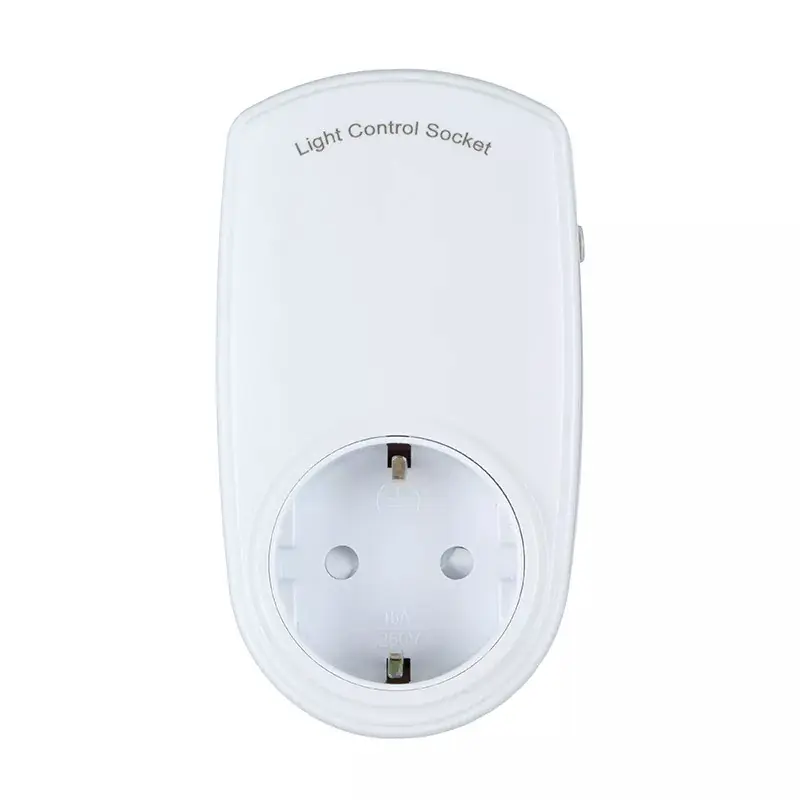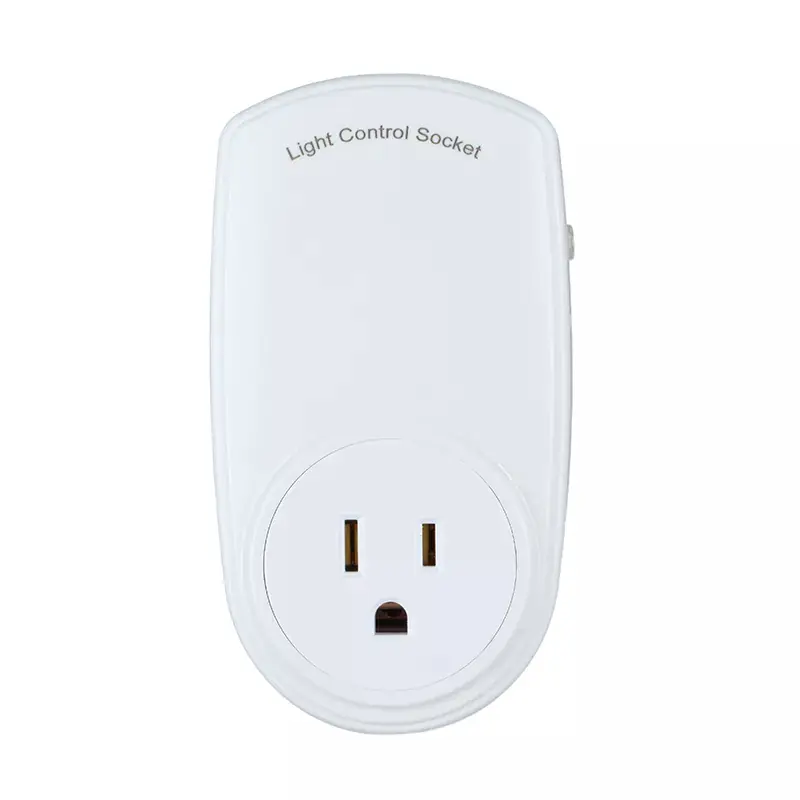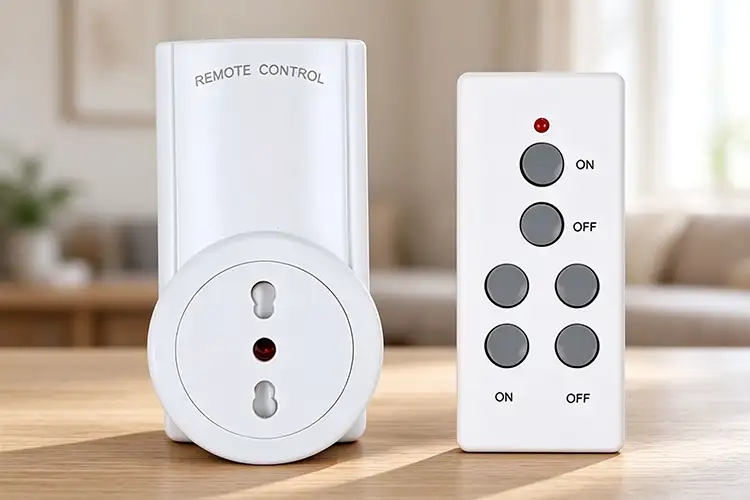
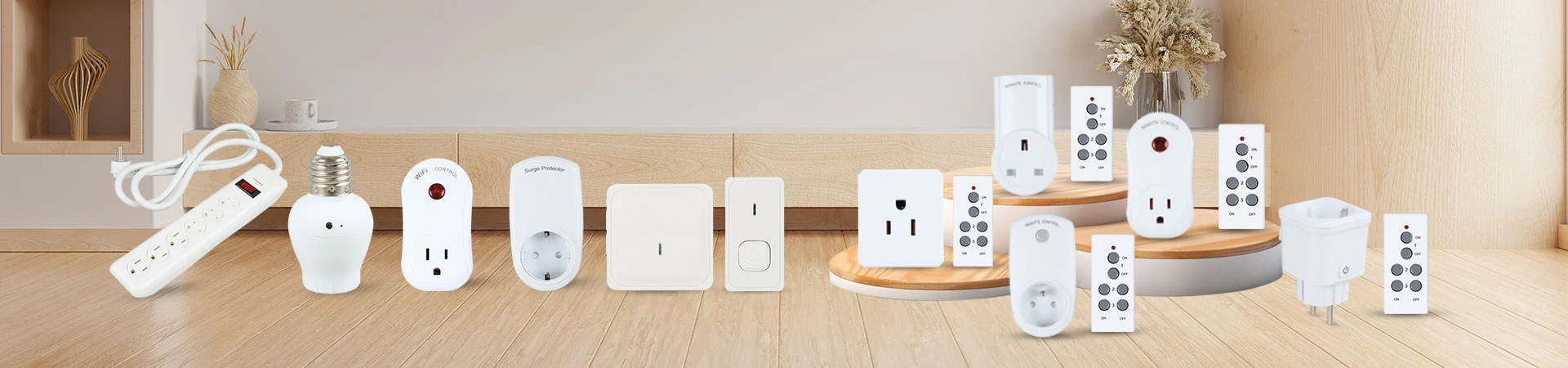
A Motion Sensor Socket is designed for electrical applications where a connected light or appliance needs to respond automatically to human movement. Instead of manually switching the socket on and off, the built-in motion sensor detects activity within its sensing area and triggers the socket according to its preset operating conditions.
This type of socket is commonly used for corridors, entrances, stairways, garages, storage rooms, utility areas, bathrooms and other spaces where people may only stay for a short period. It is particularly useful for lighting loads that do not need to remain energized continuously.
Ningbo Aipulan Lighting Technology Co., Ltd. has been developing intelligent remote-control and electrical socket products since the 1990s. The Motion Sensor Socket range combines this experience with regional socket configurations for the ITA, AU, FR, EU, UK and US markets.
The basic operating sequence is straightforward: detect movement → trigger switching → maintain operation → switch off when the area becomes inactive.
When a person enters the sensor's detection range, movement is detected and the socket activates the connected load. If no further movement is detected for the configured period, the socket can switch the load off.
The actual performance depends on the sensor technology, detection range, installation position, ambient conditions, connected load and timing configuration. Therefore, selecting a motion sensor socket should not be based only on the socket appearance or regional plug type.
Choosing the correct model starts with the application rather than the socket shape. Before placing an order, buyers should confirm several points.
The first consideration is electrical compatibility. A socket designed for one market cannot simply be treated as interchangeable with another regional version.
Aipulan provides six configurations:
|
Model |
Typical Market |
Main Selection Consideration |
|
ITA Motion Sensor Socket |
Italy |
Italian socket configuration |
|
AU Motion Sensor Socket |
Australia and related markets |
Australian socket configuration |
|
FR Motion Sensor Socket |
France and related markets |
French socket configuration |
|
EU Motion Sensor Socket |
European markets |
Common European socket configuration |
|
UK Motion Sensor Socket |
United Kingdom |
UK socket configuration |
|
US Motion Sensor Socket |
United States |
US socket configuration |
For OEM and distribution projects, the destination market should be confirmed before selecting the product model, especially when the socket will be sold as a finished electrical accessory.
The sensor function does not determine whether every appliance can be connected safely. The rated voltage, rated current and load type must also match the application.
Lighting loads are generally the most straightforward application. If the socket will control appliances, motors, fans or other equipment with higher starting currents, the buyer should provide the actual load information for electrical evaluation.
For bulk orders, it is better to confirm the intended load before finalizing the model instead of selecting a socket only according to its maximum nominal rating.
Sensor performance is strongly affected by installation conditions. The detection range required for a narrow hallway is different from that required for a garage or larger room.
For a small entrance or corridor, a compact sensing area may be sufficient. For larger spaces, the installation position and required coverage should be considered together.
Obstructions, mounting height, room layout and the direction in which people normally move can all influence how effectively movement is detected.
Different applications have different expectations for how long the connected load should remain active after movement is detected.
For example, a stairway light may only need short-duration operation, while a storage room or workspace may require the light to remain on while people are moving inside the area.
The timing and sensing configuration should therefore be checked against the actual application rather than assuming that one setting suits every installation.
Motion sensor sockets are intended for specific indoor electrical applications. Temperature, humidity, dust, direct sunlight, heat sources and other environmental factors can affect sensor behavior and product life.
Before selecting a model, buyers should consider where the socket will be installed and whether the surrounding environment is suitable for the product's rated operating conditions.
Aipulan keeps the motion-sensing concept consistent while offering different socket configurations for regional electrical markets.
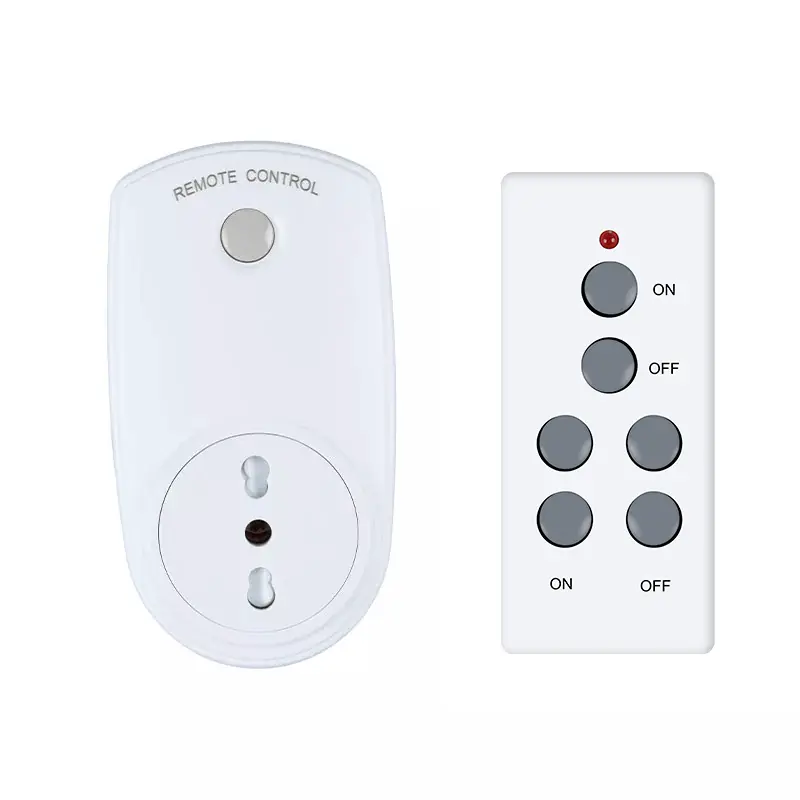
The ITA version is intended for applications using the Italian socket configuration. It can be considered for residential, commercial and general indoor electrical applications where automatic motion-based switching is required.
The AU version is developed around the Australian socket format and is suitable for customers sourcing motion-sensing electrical accessories for the Australian market and related applications.
The FR version follows the French socket configuration and provides a regional option for applications requiring automatic switching through motion detection.
The EU version is intended for common European-market applications where the corresponding European socket configuration is required.
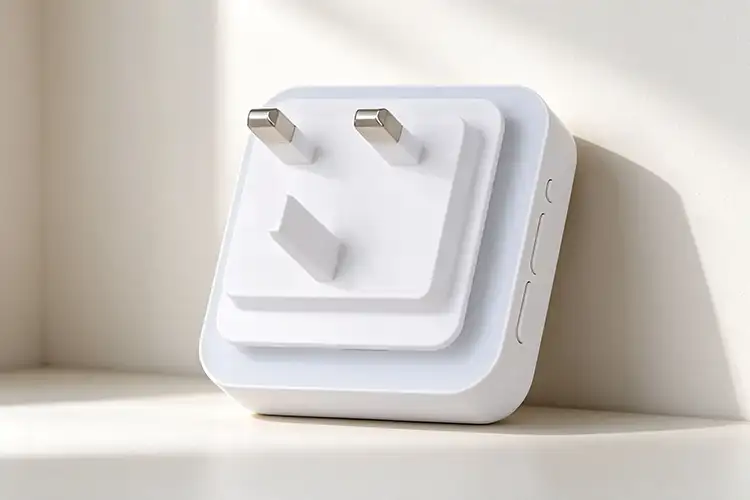
The UK version is designed around the British socket format and is suitable for distributors and electrical product buyers serving the UK market.
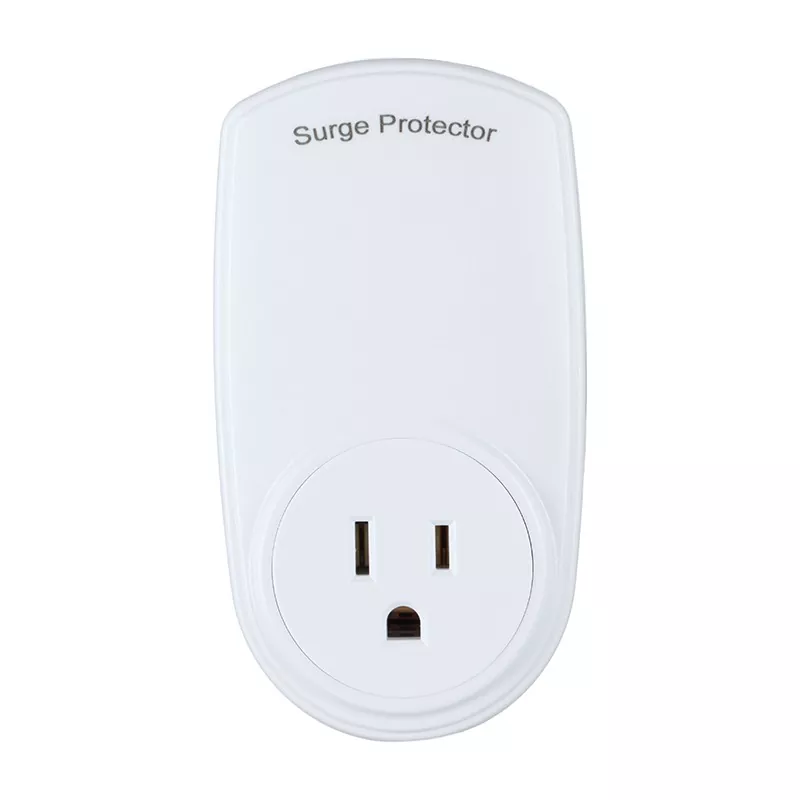
The US version is intended for the North American market and provides a corresponding socket configuration for applications requiring automatic motion detection and switching.
Motion Sensor Sockets are most useful in places where lighting or another electrical load is required only when someone is present.
Corridors and stairways benefit from automatic switching because users often need lighting only while passing through the area.
Entrances and garages can use motion detection to activate lighting when someone approaches or enters the space.
Storage rooms and utility areas are another practical application because lights in these areas are easily left switched on after use.
Bathrooms and other short-stay areas can benefit from automatic activation without requiring users to find and operate a wall switch.
For commercial and facility applications, motion sensor sockets can also be considered where reducing unnecessary operating time is more important than continuous manual control.
A motion sensor socket is a small electrical product, but several details can affect whether a model is suitable for a particular market.
The first is regional compatibility. Confirm the destination country and socket configuration before ordering.
The second is electrical rating. Voltage, current and connected load should be checked against the intended application.
The third is sensor behavior. Detection range, response characteristics and switching duration should be evaluated according to the installation environment.
The fourth is housing and internal construction. Material selection, terminal structure, component quality and assembly consistency directly affect the reliability of repeated switching.
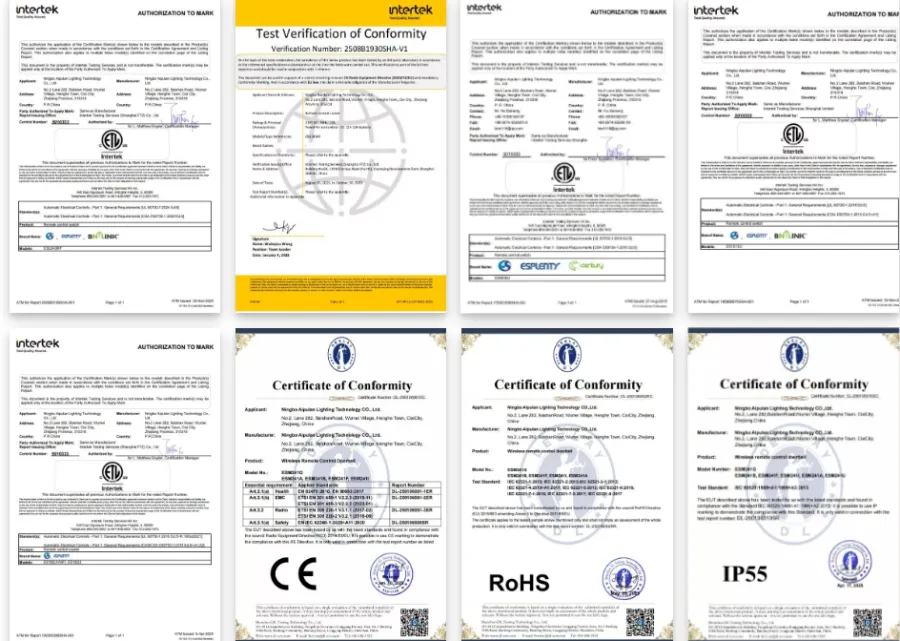
The fifth is testing and certification requirements. For products entering different countries, the required safety standards and certification documents should be confirmed before mass production.
For OEM projects, buyers should also clarify logo, housing appearance, packaging, product labeling and other customization requirements before sample approval.
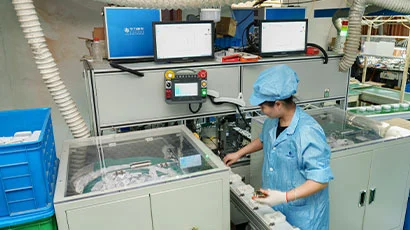
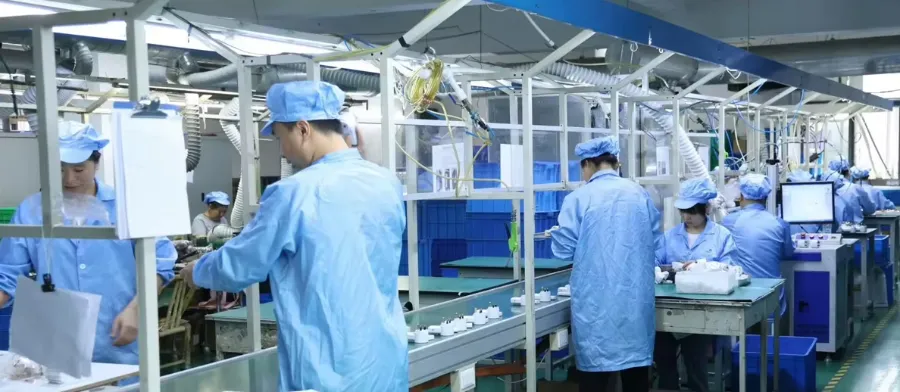
Aipulan's manufacturing process covers R&D, injection molding, welding, assembly and product testing rather than relying entirely on outsourced core production.
The factory is equipped with injection molding machines, wave soldering equipment, AOI optical inspection systems, automatic assembly lines and aging-test equipment. Products are checked through multiple stages covering raw materials, semi-finished components and finished assemblies.
Electrical and durability-related testing can include voltage surge testing, welding inspection, aging testing, load stress testing and appearance inspection. This production approach is particularly important for motion sensor sockets because the sensor, switching components, housing and electrical connections must work together consistently.
Aipulan was formally established in 2011, while its core technical team has been involved in intelligent remote-control socket development since the 1990s. This combination of long-term technical experience and in-house production provides a practical foundation for standard products as well as OEM and ODM projects.
For distributors, importers and electrical brands, Aipulan can support customization of product appearance, logo, packaging and selected product requirements.
Sample production normally takes 1–5 working days, depending on the product and customization requirements. For mass orders, production generally takes around 30–35 working days after deposit, with the final lead time confirmed according to the product model and order quantity.
Customers can also provide their target market, required certification, electrical rating and application information so that the appropriate Motion Sensor Socket configuration can be evaluated before mass production.
It depends on the application. A motion sensor socket is designed for automatic switching of a connected load and is most useful where the load needs to operate according to detected movement. It is not intended to replace every type of fixed wall-switch installation.
A normal socket provides electrical connection without automatic movement detection. A Motion Sensor Socket adds a sensing and switching function so the connected load can respond to detected activity.
Start with the destination market and required socket configuration. Then confirm the rated voltage, current, load type and applicable certification requirements for that market.
Yes. Lighting is one of the most common applications because the light can operate when movement is detected instead of remaining switched on continuously.
It depends on the electrical rating and the characteristics of the appliance. Resistive loads and inductive or motor loads can behave differently, so the actual appliance load should be confirmed before selection.
Yes. Sensor direction, mounting height, obstructions, room layout and the movement path of people can all influence detection performance.
Yes. Aipulan supports OEM and ODM customization covering product appearance, logo, packaging and selected product requirements.
Yes. Samples are supported for product evaluation, and normal sample preparation takes around 1–5 working days depending on the model and requirements.
Aipulan's products are developed with international market requirements in mind, and the company can assist customers with relevant certification applications according to the target market and project requirements.
MOQ depends on the specific model and customization requirements. Small orders may be acceptable for selected products, while customized production normally requires confirmation based on the project.
Quality control covers raw materials, semi-finished components and finished products, with inspections including electrical, welding, aging, load-stress and appearance-related testing.
Yes. Factory visits are welcome during working hours, allowing customers to review the production process and discuss OEM or ODM requirements directly with the Aipulan team.