
Article Overview
A Smart Outlet EU Remote Control Socket transforms an ordinary electrical outlet into a convenient part of a connected home. By combining wireless connectivity, smartphone control, scheduling, and optional energy monitoring, it allows users to manage compatible electrical appliances more flexibly. Instead of manually switching devices on and off, homeowners can control connected equipment remotely, establish operating schedules, and monitor electricity consumption when supported by the product.
This guide explains how smart outlets work, which features provide practical value, what buyers should consider before purchasing, and how to select a suitable socket for European electrical systems. It also covers compatibility, installation, safety, and common purchasing mistakes.
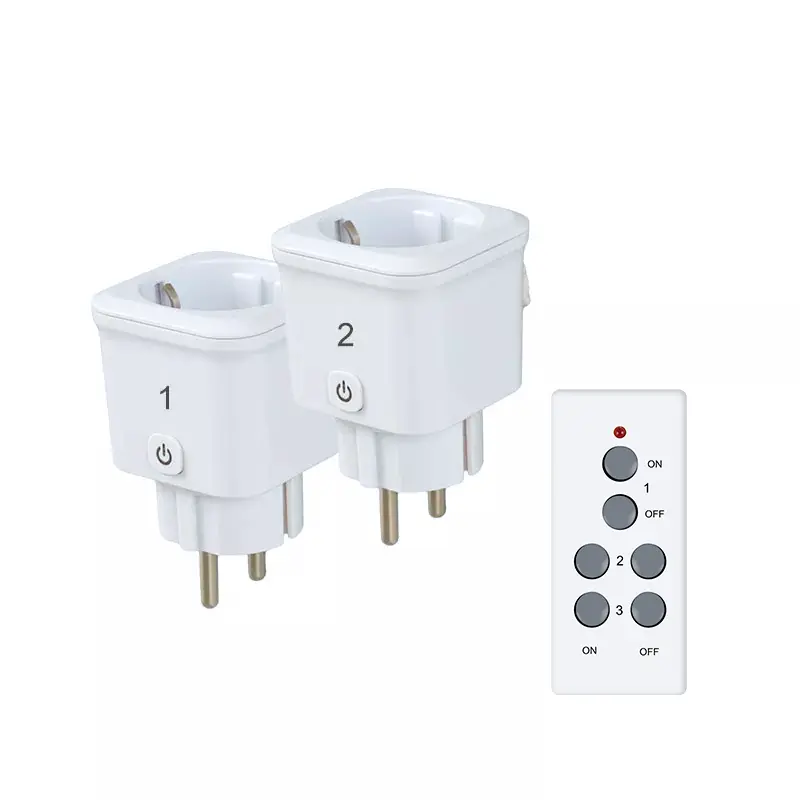
1. What Is a Smart Outlet EU Remote Control Socket?
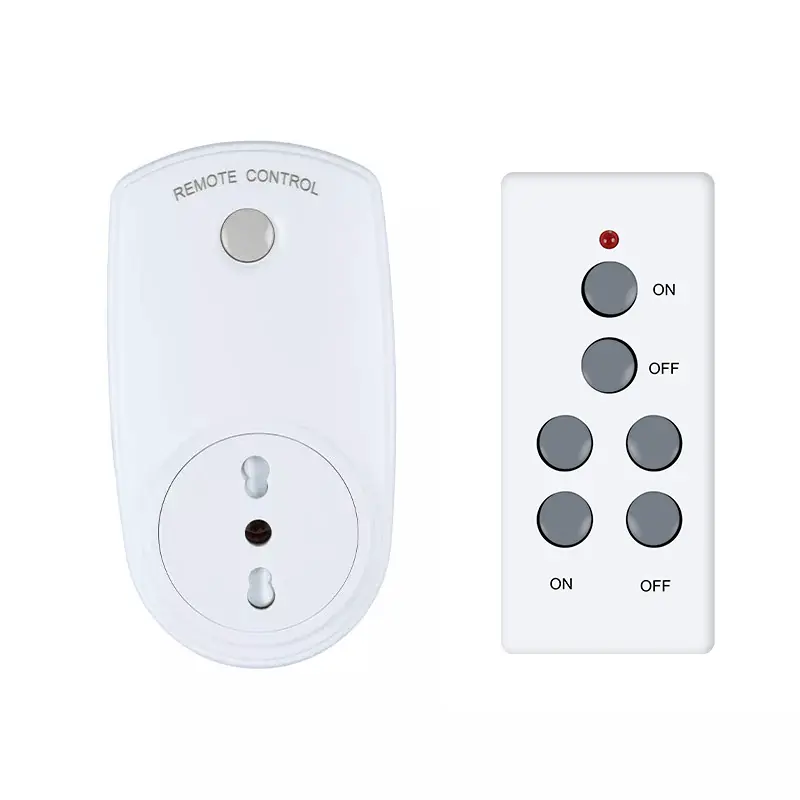
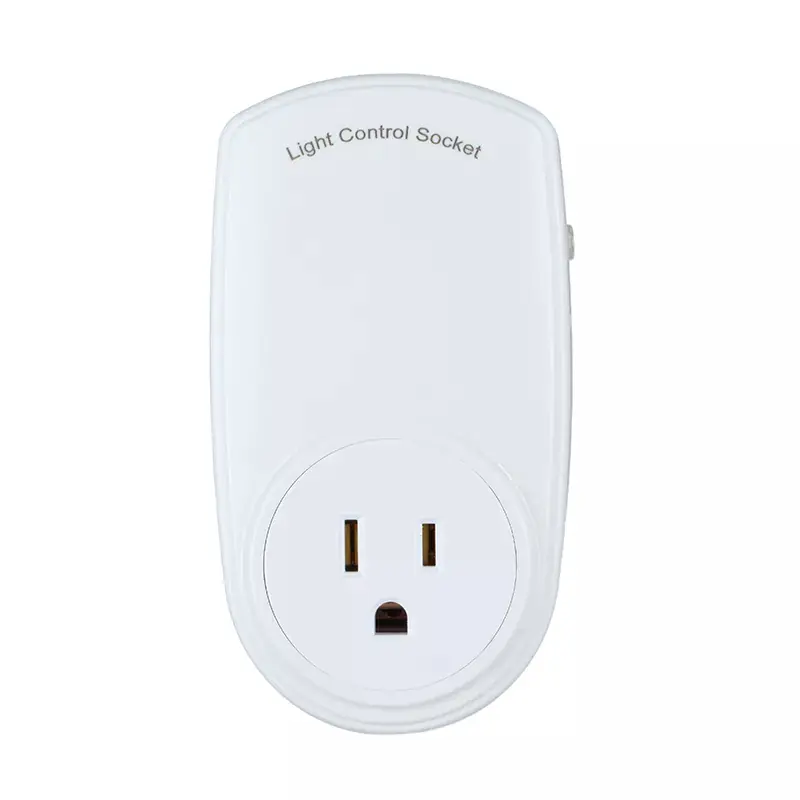
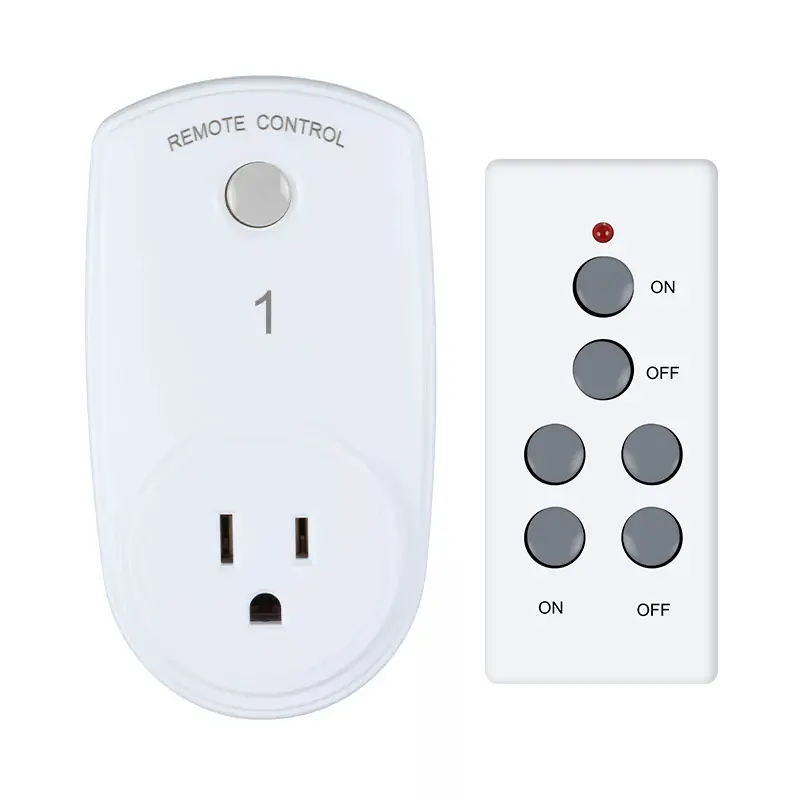
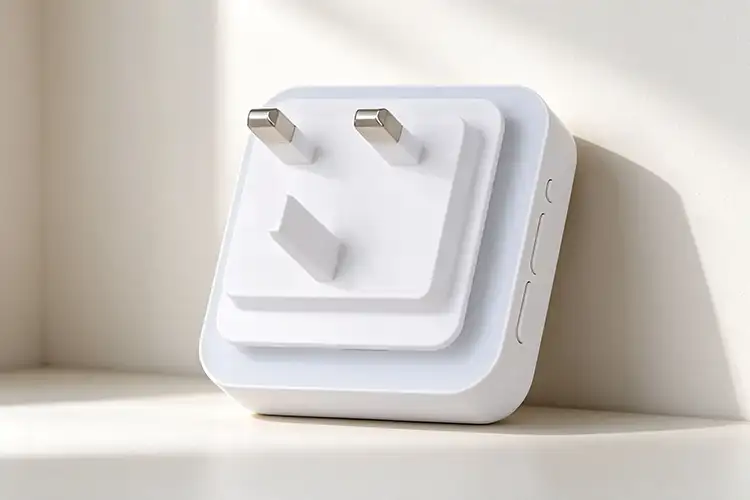
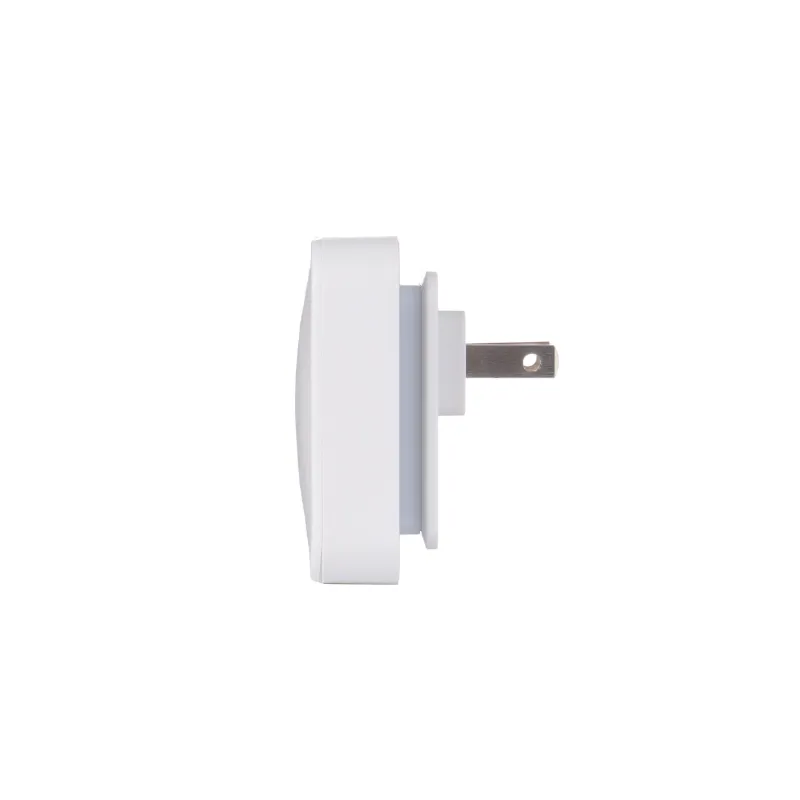
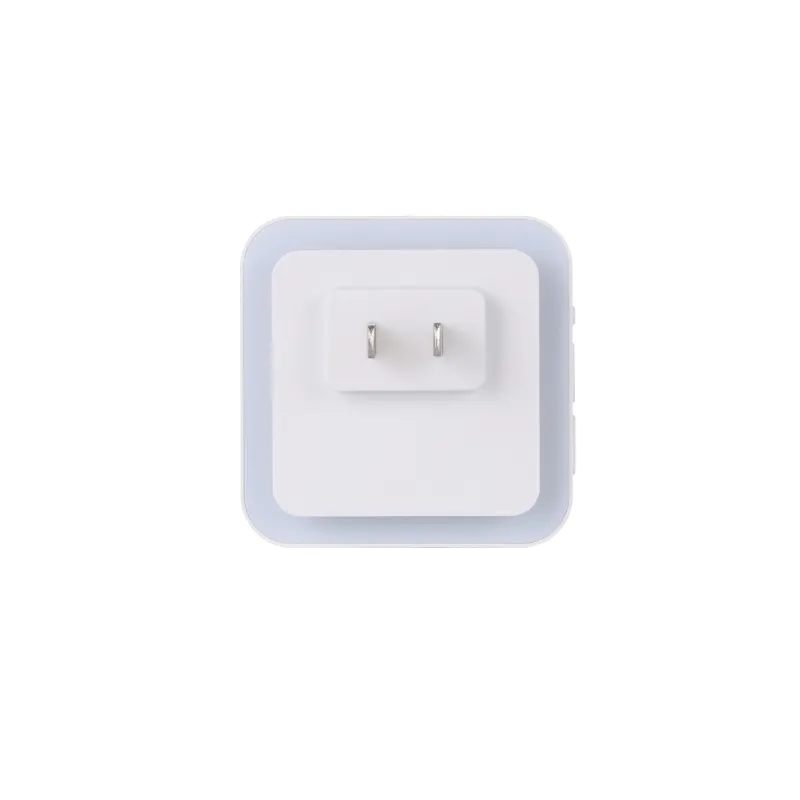
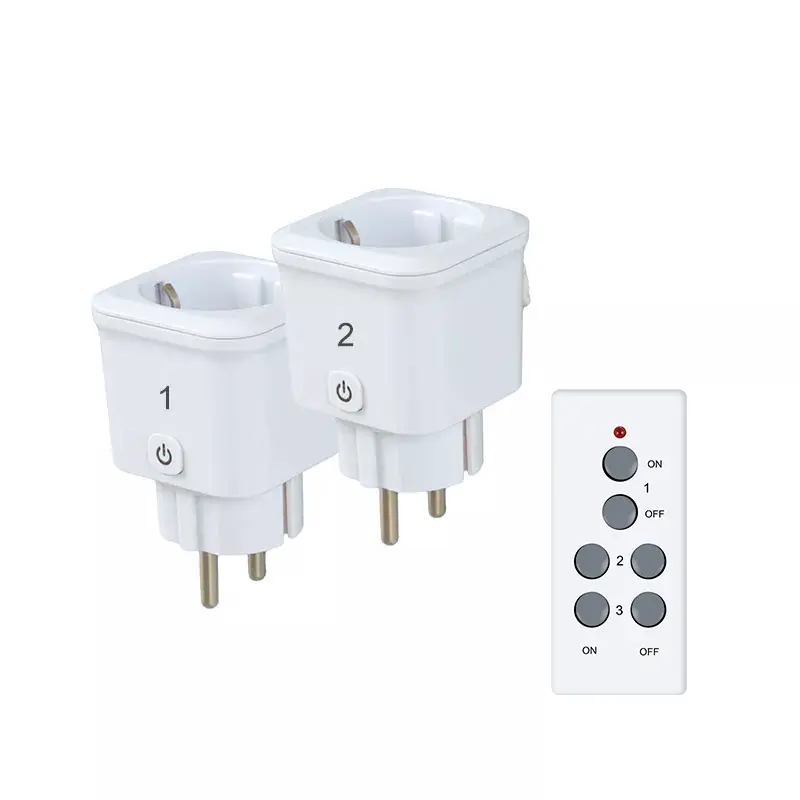
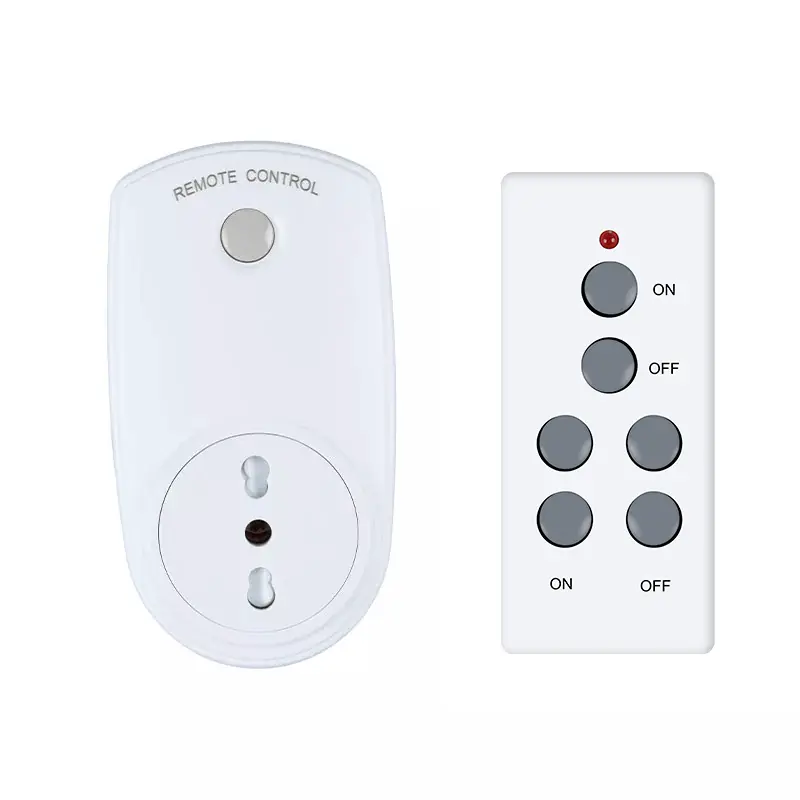
A Smart Outlet EU Remote Control Socket is an intelligent plug-in electrical accessory designed to control compatible appliances through a wireless connection. It is generally inserted into a compatible wall socket, allowing users to connect an appliance and manage its power supply through a smartphone application or another supported control method.
Traditional electrical outlets provide power whenever they are switched on. Users usually need to operate a physical switch or unplug a device to stop its power supply. A smart outlet introduces electronic switching and wireless communication, making everyday electrical management more convenient.
Depending on the model, a smart socket may support Wi-Fi, Bluetooth, Zigbee, or another wireless communication technology. Some models also provide energy monitoring, countdown timers, voice assistant integration, and automatic operating schedules.
What Makes an EU Smart Outlet Different?
The European market includes different plug and socket configurations. Type C, E, and F plugs are commonly encountered across European countries, although national requirements and actual compatibility vary. The United Kingdom and some other markets use different plug systems.
Therefore, an EU smart outlet should be selected according to the destination country's electrical standard, socket configuration, voltage, frequency, grounding requirements, and appliance specifications. A product described as an EU smart plug should not automatically be assumed to fit every European outlet.
2. How Does a Smart Remote Control Socket Work?
A smart outlet combines an electrical switching mechanism with a wireless communication module and control software. These components work together to receive user commands and control the connected appliance's power supply.
Step 1: Connect the Smart Socket to a Wall Outlet
The user inserts the smart socket into a compatible electrical wall outlet. After checking the product specifications and safety instructions, the user connects an appropriate appliance to the smart socket.
Step 2: Connect the Device to a Wireless Network
For Wi-Fi models, the user typically downloads the manufacturer's recommended application, creates or signs into an account, and follows the pairing instructions. The socket then connects to the specified wireless network.
Some products require a 2.4 GHz Wi-Fi network, while others support additional frequencies or different communication protocols. Users should check network compatibility before purchasing.
Step 3: Control Power Through a Smartphone
Once pairing is complete, the application provides a control interface. Users can usually switch the connected outlet on or off, check its current status, and access additional functions supported by the model.
Step 4: Create Automatic Schedules
Users can establish scheduled operating times, such as turning a lamp on in the evening or switching a non-essential device off at a selected time. This reduces the need for repeated manual operation.
Step 5: Monitor Energy Consumption When Available
Selected models include electricity monitoring features. Depending on the device, users may view real-time power, accumulated energy consumption, or historical usage information. These readings can help identify unnecessary electricity use.
3. Which Features Make a Smart Outlet Useful?
Not every smart socket offers the same functions. For homeowners, property managers, retailers, and distributors, understanding the differences between basic and advanced models is important when comparing products.
3.1 Remote On/Off Control
Remote switching is the fundamental feature of a smart outlet. Users can control connected equipment through an application without physically approaching the socket. This is particularly useful when outlets are installed behind furniture or in less accessible locations.
3.2 Timer and Scheduling Functions
Timer settings allow users to determine how long an appliance should remain powered. Scheduling functions can also establish repeated operating periods based on daily routines.
For example, a lighting schedule can be configured to operate during selected evening hours. This is more convenient than manually controlling the same device every day.
3.3 Energy Monitoring
Energy monitoring is valuable for users who want greater visibility into electricity consumption. Models with this function may display current wattage, cumulative kilowatt-hours, and other supported consumption data.
It is important to distinguish between a socket with remote switching only and one with actual energy measurement. Buyers should not assume that every smart outlet includes a power monitoring function.
3.4 Voice Assistant Compatibility
Some smart outlets support voice control through compatible smart home platforms. Users can issue commands through supported voice assistants instead of opening a smartphone application.
However, compatibility depends on the socket's firmware, communication protocol, application, regional availability, and supported smart home ecosystem.
3.5 Overload and Protection Features
Certain products include protective functions such as overload protection, over-temperature monitoring, or surge protection. These functions are not universal, and their actual performance depends on the product design and technical specifications.
Buyers should verify which protection mechanisms are genuinely integrated rather than relying on general marketing descriptions.
| Feature | Primary Function | Practical Value |
|---|---|---|
| Remote control | Switch appliances on or off through an app | Convenient operation |
| Timer | Set a countdown for switching | Reduces manual operation |
| Scheduling | Automate repeated operating times | Supports daily routines |
| Energy monitoring | Display electricity consumption data | Improves usage awareness |
| Voice control | Accept commands through compatible assistants | Hands-free operation |
| Protection functions | Provide specified electrical safeguards | Additional operational protection |
4. What Are the Main Benefits for Everyday Users?
The main advantage of a smart outlet is not simply that it connects to the internet. Its real value comes from making electrical equipment easier to manage and helping users develop more organized power-use habits.
4.1 More Convenient Appliance Management
Users can manage connected devices without repeatedly walking to individual wall outlets. This is particularly helpful in larger homes, offices, rental properties, and rooms with difficult-to-reach sockets.
4.2 Better Control of Operating Time
Many household appliances do not need to operate continuously. Scheduling allows users to define when compatible devices receive power, helping prevent unnecessary operating periods.
4.3 Improved Visibility of Electricity Consumption
Where energy monitoring is available, users can identify which connected devices consume more electricity during operation or standby periods. This information can support more informed decisions about appliance usage.
However, a smart socket does not automatically guarantee lower electricity bills. Actual savings depend on appliance consumption, operating schedules, user behavior, and the socket's own standby consumption.
4.4 Flexible Control for Different Environments
A single household may have different requirements for bedroom lighting, entertainment equipment, office devices, and decorative lighting. Smart outlets provide a flexible way to manage compatible equipment individually.
4.5 Convenient Management Away from Home
When the product supports remote internet access and its service is available, users can manage connected appliances while away from home. This can be useful for checking device status or operating selected equipment according to established routines.
5. Where Can European Smart Outlets Be Used?
Smart outlets can serve a variety of residential and light commercial applications. The suitability of each application depends on the connected appliance's electrical requirements and the socket's rated capacity.
Home Lighting
Table lamps, decorative lighting, and other compatible plug-in lighting products are common applications. Users can establish lighting schedules or switch lights on and off remotely.
Home Entertainment Equipment
Compatible entertainment accessories and selected electronic equipment can be managed through a smart outlet. Users should confirm the appliance's startup behavior and whether removing mains power is appropriate for that device.
Home Office Equipment
For suitable non-critical equipment, smart outlets can help organize operating schedules and reduce unnecessary powered-on periods. Network equipment that requires uninterrupted operation should not be switched off without considering the consequences.
Retail Stores and Small Offices
Retailers may use smart outlets to manage display lighting, decorative equipment, or other compatible devices. Scheduled switching can help standardize daily operating routines.
Seasonal and Decorative Applications
Holiday lights and decorative plug-in lighting can benefit from automatic scheduling. Instead of switching the equipment manually each evening, users can establish recurring operating periods.
6. How Can You Choose the Right EU Smart Socket?
Choosing the right smart outlet requires more than comparing appearance and price. A suitable product should match the destination market, electrical load, wireless environment, intended application, and purchasing requirements.
6.1 Confirm the Plug and Socket Standard
Start by identifying the target country and its electrical connection requirements. Check whether the product is designed for the required Type E, Type F, or another applicable configuration. Pay attention to grounding contacts, dimensions, and physical fit.
6.2 Check Rated Voltage and Current
The rated voltage and current determine the electrical operating limits of the smart socket. For example, a product rated at 16 A should not be treated as suitable for every appliance regardless of its actual load characteristics.
Buyers should review the maximum rated power, current, voltage, frequency, and any restrictions specified in the product documentation.
6.3 Select the Appropriate Wireless Technology
Different wireless technologies provide different installation and integration experiences.
| Technology | Typical Characteristics | Buying Consideration |
|---|---|---|
| Wi-Fi | Connects through a wireless router | Check frequency and application compatibility |
| Bluetooth | Supports nearby wireless communication | Check control range and remote access limitations |
| Zigbee | Designed for smart home device networking | Check hub and ecosystem requirements |
| Thread | Supports compatible low-power smart home networking | Check border router and ecosystem support |
6.4 Evaluate Application Compatibility
An attractive application is not enough. Buyers should consider ease of pairing, device management, firmware updates, language support, account requirements, and long-term service availability.
6.5 Decide Whether Energy Monitoring Is Necessary
Basic remote control may be sufficient for customers who primarily want convenient switching. Users who want to understand appliance consumption should consider a model with verified energy measurement functionality.
6.6 Consider Product Design and Dimensions
A bulky smart socket may block an adjacent outlet or be difficult to use in compact spaces. Check the enclosure dimensions, plug orientation, material quality, indicator position, and ease of handling.
6.7 Review Customization and Supply Requirements
For wholesalers, importers, and brand owners, additional purchasing considerations include packaging, logo customization, instruction manuals, application language support, sample availability, production lead time, and quality control procedures.
- Correct European plug configuration
- Suitable rated voltage and current
- Compatible wireless technology
- Reliable application experience
- Clearly defined safety features
- Appropriate product dimensions
- Verified market documentation
- Consistent manufacturing quality
7. What Should Buyers Know About Safety and Compatibility?
Electrical safety should be a priority when selecting any smart outlet. Since the product combines mains electricity with electronic control and wireless communication, its design, manufacturing quality, testing, and documentation all deserve careful attention.
7.1 Understand European Compliance Requirements
Depending on the product design and applicable legislation, smart outlets placed on the European market may need to meet requirements relating to electrical safety, radio equipment, electromagnetic compatibility, and restricted hazardous substances.
For example, relevant regulatory frameworks may include the Radio Equipment Directive (RED) 2014/53/EU, the EMC Directive 2014/30/EU, and the RoHS Directive 2011/65/EU. The applicable conformity assessment must be determined according to the actual product configuration and relevant legislation.
Buyers should request the relevant test reports, technical documentation, and EU Declaration of Conformity rather than relying solely on a printed CE logo. The applicable standards and documentation should be verified for the exact model being purchased.
7.2 Check Electrical Load Limits
Every smart outlet has a defined maximum electrical rating. Exceeding that rating may cause overheating, equipment damage, or other hazards.
Inductive loads, motors, compressors, and appliances with high startup currents may require particular attention. The rated current alone does not necessarily establish suitability for every type of load.
7.3 Consider Wireless and Data Security
Connected devices should be designed with appropriate security practices. Buyers should investigate account protection, secure communication, firmware update arrangements, and the manufacturer's approach to vulnerability management.
7.4 Follow Correct Installation Instructions
A smart outlet should be connected directly to a compatible wall outlet according to its instructions. Users should avoid damaged sockets, unsuitable adapters, overloaded connections, and unauthorized modifications.
The device should also be kept away from moisture and environmental conditions outside its specified operating range unless it has an appropriate protection rating.
7.5 Understand Power Restoration Behavior
Some smart outlets remember their previous switching state after a power interruption, while others return to a predefined state. This behavior can affect the operation of connected appliances.
For buyers using smart outlets in commercial environments, checking the power recovery setting is especially important.
8. How Do You Install and Set Up a Smart Outlet?
Most plug-in smart outlets are designed for straightforward setup. However, the exact process varies according to the product's communication technology and application.
- Read the product manual. Confirm the rated voltage, current, plug configuration, network requirements, and operating precautions.
- Inspect the product. Check the enclosure, plug pins, socket contacts, and indicator lights for visible damage.
- Connect the socket. Insert it into a compatible wall outlet according to the manufacturer's instructions.
- Download the recommended application. Use the official application specified for the particular model.
- Complete wireless pairing. Follow the application's instructions and enter the required network information.
- Connect a suitable appliance. Ensure that its electrical requirements are within the smart outlet's specified limits.
- Test the control functions. Check manual switching, scheduling, and any additional features included in the model.
If pairing fails, users should first check the wireless network, application permissions, pairing mode, and the manufacturer's troubleshooting instructions. Repeatedly resetting the device without identifying the problem may not resolve the issue.
9. Common Mistakes to Avoid When Buying Smart Sockets
Even a well-designed smart outlet may deliver a disappointing experience if the wrong model is selected. The following purchasing mistakes are worth avoiding.
Mistake 1: Assuming All European Plugs Are Identical
European countries do not all use exactly the same plug and socket configuration. Confirm the destination country's requirements and the actual product design before ordering.
Mistake 2: Ignoring Appliance Power Requirements
A socket with an unsuitable electrical rating may not safely support the intended appliance. Always compare the appliance's electrical characteristics with the smart outlet's rated limits.
Mistake 3: Overlooking Wireless Compatibility
A Wi-Fi smart plug may not pair with every router configuration. Similarly, Zigbee and Thread products may require compatible hubs or border routers. Verify the complete connection requirements.
Mistake 4: Expecting Every Model to Include Energy Monitoring
Remote switching and energy measurement are different functions. If consumption data is important, confirm that the selected model includes actual measurement hardware and application support.
Mistake 5: Focusing Only on the Purchase Price
For commercial buyers, product consistency, documentation, technical support, packaging, delivery reliability, and after-sales service can be just as important as the initial unit cost.
Mistake 6: Neglecting Software and Firmware Support
A smart socket depends on its software ecosystem. Before purchasing, consider how the manufacturer handles application maintenance, security updates, and long-term product support.
10. Why Work with a Professional Smart Outlet Supplier?
For distributors, importers, wholesalers, and private-label brands, selecting a reliable supplier is an important part of building a competitive smart home product range.
A professional supplier should provide more than a finished product. Buyers also need clear technical specifications, consistent manufacturing standards, appropriate compliance documentation, and communication throughout the purchasing process.
What Should B2B Buyers Expect from a Supplier?
- Product specification clarity: Detailed information about plug type, rated voltage, rated current, wireless technology, dimensions, and supported functions.
- Quality management: Consistent component selection, assembly procedures, product inspections, and appropriate testing.
- Market-oriented solutions: Product configurations that match the requirements of different destination markets.
- Customization support: Options for branding, packaging, labeling, and other agreed product requirements.
- Documentation: Relevant technical documents and conformity information for the exact product model.
- Communication: Clear information about samples, production schedules, minimum order quantities, and delivery arrangements.
For buyers exploring smart lighting and connected electrical accessories, Ningbo Aipulan Lighting Technology Co., Ltd. is a company to contact for product information and potential business cooperation.
When evaluating a new supplier, buyers should discuss their target markets, required plug standards, expected functions, order quantities, and customization needs. Providing these details at the beginning can make product selection and quotation discussions more efficient.
11. Frequently Asked Questions
Q1: What is a Smart Outlet EU Remote Control Socket?
It is a plug-in smart electrical accessory designed for compatible European outlets. It allows users to control connected appliances remotely through a supported smartphone application or another compatible control system.
Q2: Can I control an EU smart socket when I am away from home?
Yes, many Wi-Fi smart sockets support remote access through an internet-connected application. However, this depends on the product's remote access capabilities, network connection, application service, and account configuration.
Q3: Does a smart outlet reduce electricity consumption?
A smart outlet can help reduce unnecessary operating time by allowing users to create schedules and switch off compatible appliances. Actual energy savings depend on usage habits and the power consumption of connected devices.
Q4: Do all smart outlets support energy monitoring?
No. Some models provide remote switching and scheduling only, while others include energy measurement functions. Check the technical specifications before purchasing.
Q5: Does an EU smart socket work in every European country?
Not necessarily. European countries use different plug and socket configurations. Buyers should confirm the exact plug type and electrical requirements for their destination market.
Q6: Does a Wi-Fi smart plug need a hub?
Most standard Wi-Fi smart plugs connect directly to a compatible wireless router and do not require a separate smart home hub. Zigbee and some other models may require an appropriate hub or gateway.
Q7: Can I use a smart outlet with a high-power appliance?
Only when the appliance's electrical characteristics are within the smart outlet's specified limits and the manufacturer permits that application. Startup current and load type should also be considered.
Q8: Can smart outlets work with voice assistants?
Selected models support compatible voice assistants. Users should check the supported platforms, application requirements, and regional availability before purchasing.
Q9: What happens if the Wi-Fi connection is interrupted?
Behavior varies by model. Some products retain their last switching state and may continue running existing local schedules, while others depend on cloud or network services for certain functions. Check the manufacturer's documentation.
Q10: What should importers check before placing a bulk order?
Importers should confirm plug configuration, electrical ratings, wireless compatibility, functional specifications, product testing, relevant conformity documents, packaging, sample quality, and production capacity.
Looking for a Reliable Smart Outlet Supplier?
Choosing the right Smart Outlet EU Remote Control Socket can improve everyday power management while providing greater flexibility for modern connected homes.
Whether you are a wholesaler, importer, distributor, or brand owner, working with a suitable supplier is essential for developing products that meet your market requirements.
Ningbo Aipulan Lighting Technology Co., Ltd. welcomes inquiries from global business partners interested in smart electrical accessories and related product solutions.
Contact us today to discuss your product specifications, customization requirements, samples, and wholesale purchasing needs. Let us explore the right smart outlet solution for your market.
Contact UsNote: Product functions, technical ratings, wireless compatibility, and regulatory requirements vary by model and destination market. Always refer to the manufacturer's official specifications and applicable local requirements before installation or commercial distribution.